Guide to Yogurt Makers: The Complete Guide to Using Your Yogurt Maker
The Ultimate Yogurt Maker: Your Complete Guide
Making homemade yogurt can be a simple process with the correct guidance. Understanding how to use a yogurt maker properly is vital. From choosing quality ingredients to troubleshooting common problems, each step plays a significant role in the final product. As one explores the intricacies of yogurt making, it becomes evident that small adjustments can lead to vastly different results. The journey toward perfect yogurt is just starting.
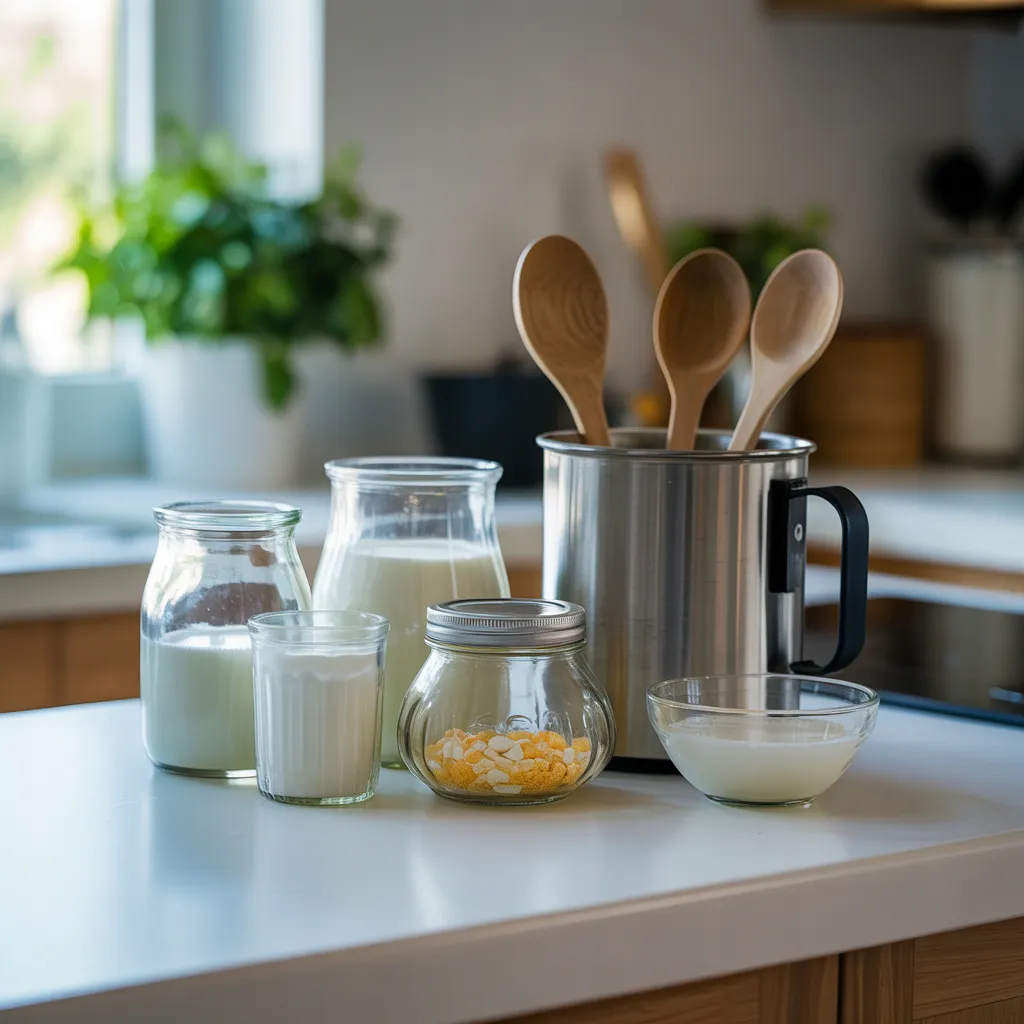
Using a yogurt maker can be a straightforward process that results in delicious homemade yogurt. To commence, the user needs to verify that the device is properly cleaned and assembled. Next, they should get ready the milk, which may involve heating it to a specific temperature to destroy any unwanted bacteria. After allowing to cool the milk to an appropriate temperature, the user can incorporate the yogurt starter culture, making sure it is evenly distributed.
Upon combining, the mixture is transferred to the yogurt maker's containers and set inside the machine. The user then sets the desired fermentation time, typically extending from four to twelve hours, based on personal taste preferences. During this interval, the yogurt maker preserves a consistent temperature that encourages fermentation. After the time has passed, the user removes the containers, refrigerates the yogurt to terminate the fermentation process, and delights in the just-made, creamy result of their efforts.
Picking Ingredients for Your Yogurt Maker
While choosing ingredients for a yogurt maker, it is crucial to evaluate both the type of milk and the yogurt starter culture, as these choices significantly impact the final product. Milk options range from whole to skim, with each providing different creaminess and flavor profiles. Whole milk results in a rich, creamy yogurt, while skim milk produces a lighter version. Moreover, non-dairy alternatives like almond or coconut milk can also be employed, though they may require specific starter cultures created for non-dairy fermentation.
Yogurt starter culture plays an equally vital role. Available options consist of store-bought yogurt featuring live active cultures or powdered cultures sold at health linked resource food stores. Choosing a premium starter culture ensures optimal fermentation and flavor enhancement. Ultimately, understanding these fundamental ingredients allows yogurt makers to tailor their creations to their preferences, producing a tasty and fulfilling homemade yogurt outcome.
Flavoring Your Yogurt
How does one turn ordinary homemade yogurt into something remarkable? The process of flavoring yogurt presents infinite possibilities for culinary creativity and delight. An excellent technique entails mixing fresh fruits, including berries, bananas, or peaches, which simultaneously boost flavor while adding inherent sweetness and lively color. Conversely, one may incorporate mashed fruits or fruit spreads for a more uniform consistency.
Vanilla, cinnamon, or nutmeg and similar spices and extracts have the ability to convert yogurt into a wonderful delicacy. A splash of citrus juice or zest can refresh the taste buds for individuals desiring a tangy variation. Honey, maple syrup, or agave nectar and other sweeteners offer extra depth of taste while offsetting acidity.
For daring culinary enthusiasts, consider adding seeds, granola, or nuts for crunchiness and texture. In the end, the selection of flavors lets users personalize their yogurt, turning each bowl into a special culinary journey customized to their individual taste choices.
What Typical Problems Should You Avoid During Yogurt Making?
Making yogurt at home can be a satisfying endeavor, but specific mistakes can hinder the process. One prevalent mistake is using the improper variety of milk; non-fat or ultra-pasteurized milk can produce undesirable textures and flavors. In addition, unsuitable temperatures during the fermentation process can stop the yogurt from setting correctly, with temperatures that are too low causing runny yogurt.
A further error is not giving adequate time for the fermentation process; hurrying through this phase can generate less satisfactory results. Contamination caused by improperly cleaned equipment can also ruin a batch, as foreign bacteria can compromise the fermentation process. Finally, failing to maintain a constant environment can interfere with the yogurt fermentation process.
Troubleshooting Typical Issues in DIY Yogurt
Although homemade yogurt can sometimes present challenges, numerous common problems have easy solutions that can restore its quality. One typical issue is runny consistency, which can happen due to not enough fermentation time or substandard starter culture. To fix this, one can prolong the fermentation duration or switch to a more dependable starter.
Another frequent issue is separation, where whey accumulates on the surface. This can be remedied by gently stirring the yogurt before serving, or by maintaining proper temperature control during the fermentation process.
If yogurt fails to set, it can be attributed to insufficient bacterial cultures or incorrect temperatures. Lengthening the incubation duration or modifying the yogurt maker settings can assist in reaching the desired consistency.
Lastly, off-flavors can develop from impure equipment or ingredients. Carefully cleaning all tools and using pristine milk can eliminate this problem, guaranteeing a tasty final product.
Frequently Asked Questions
Can I Utilize Non-Dairy Milk in My Yogurt Maker?
Absolutely, non-dairy milk is suitable for use in yogurt makers. Nevertheless, the fermentation process may differ as a result of different sugar and protein content. Using suitable cultures designed for non-dairy alternatives is vital for excellent results.
How Long Will Homemade Yogurt Keep in the Refrigerator?
Homemade yogurt usually stays good for around one to three weeks in the refrigerator when preserved properly in an airtight container. Its taste and quality may slowly diminish, so finishing it within a week is often suggested for peak taste.
Can You Safely Reuse Yogurt Starter Cultures?
Yes, it is generally safe to reuse yogurt starter cultures. Nevertheless, their strength may reduce over time, and monitoring for off-flavors or spoilage signs in later batches is essential.
Can You Make Yogurt Without Using a Yogurt Maker?
Yogurt can indeed be made without a yogurt maker. Many people utilize options like an oven with its light turned on, a crockpot, or heat-retaining containers to keep the required warm temperature for fermentation.
What Quantity of Yogurt Can I Produce in One Batch?
The volume of yogurt you can prepare at one time generally ranges from 1 quart to 2 gallons, according to the specific yogurt maker's capacity. This enables flexibility based on personal consumption needs or preferences.